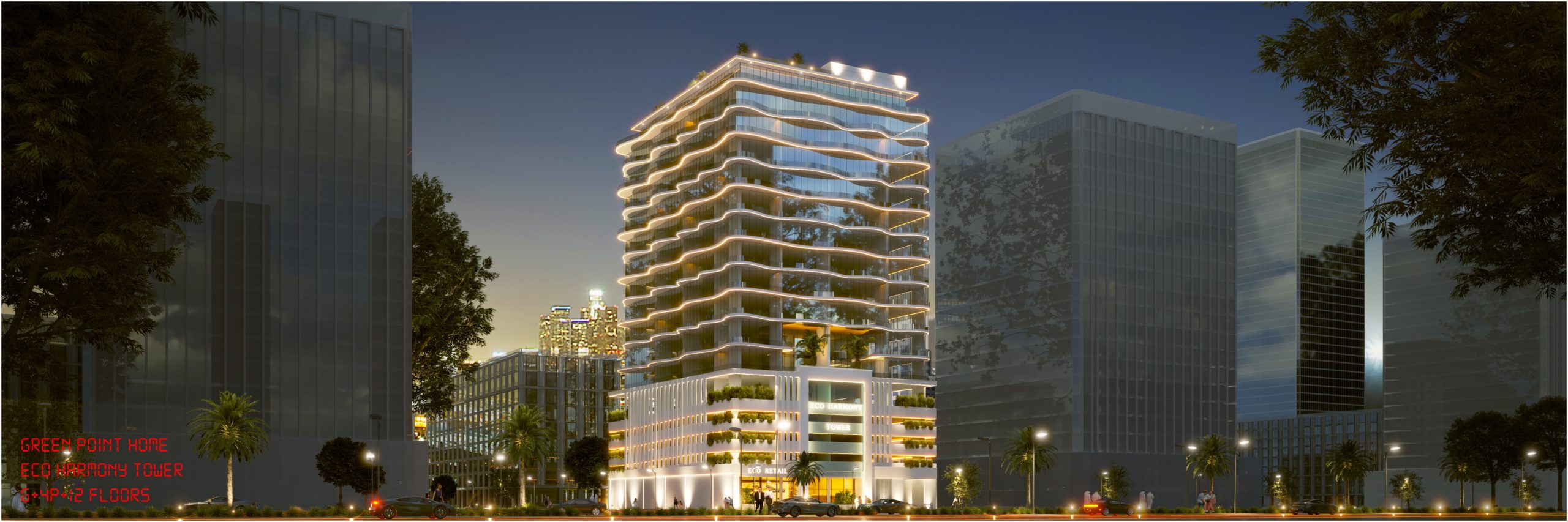
Urban planning engineers contribute to the organized growth of cities by combining technical expertise with structured strategies. Their work connects infrastructure, housing, and environmental considerations into coordinated plans that serve both present and future essentials. By assessing many things, urban planning engineers create systems that support urban areas in functioning efficiently and sustainably.
Designing efficient infrastructure:
Urban planning engineers create detailed plans for roads, transport links, utilities, and public facilities. These designs are based on population studies, projected growth, and site-specific conditions. The aim is to ensure that transport, water supply, energy distribution, and waste systems operate reliably and can accommodate future expansion without causing disruptions to daily activities.
Integrating sustainable practices:
Sustainability is central to modern development. Urban planning engineers integrate measures such as energy-efficient networks, rainwater harvesting, and renewable energy sources into their designs. They also protect green zones and promote eco-friendly construction techniques. These steps reduce environmental impact while supporting healthier living conditions within growing cities.
Improving connectivity:
Efficient connections between residential, commercial, and industrial areas are essential for economic and social activity. Urban planning engineers assess movement patterns to design roads, public transport systems, and pedestrian routes that minimise congestion and improve travel times. This includes creating direct links between key destinations and ensuring accessibility for different modes of transport.
Addressing population growth challenges:
Rapid population increases can strain city infrastructure. Urban planning engineers anticipate future demands by incorporating capacity for additional housing, expanded transport systems, and upgraded utilities into their plans. By forecasting and preparing for these changes in advance, they reduce pressure on existing systems and maintain service quality for residents.
Maintaining compliance with regulations:
Development projects must align with safety, environmental, and zoning regulations. Urban planning engineers apply their knowledge of these standards to ensure that plans meet legal requirements before construction begins. This reduces delays, prevents costly revisions, and supports projects in moving forward efficiently.
Coordinating multidisciplinary input:
Urban planning engineers collaborate with architects, environmental scientists, construction teams, and government agencies. They review technical proposals, align design elements, and track progress to keep all contributors working towards consistent objectives. This structured approach reduces the likelihood of conflicting plans and supports timely project completion.